
You Have to Campaign
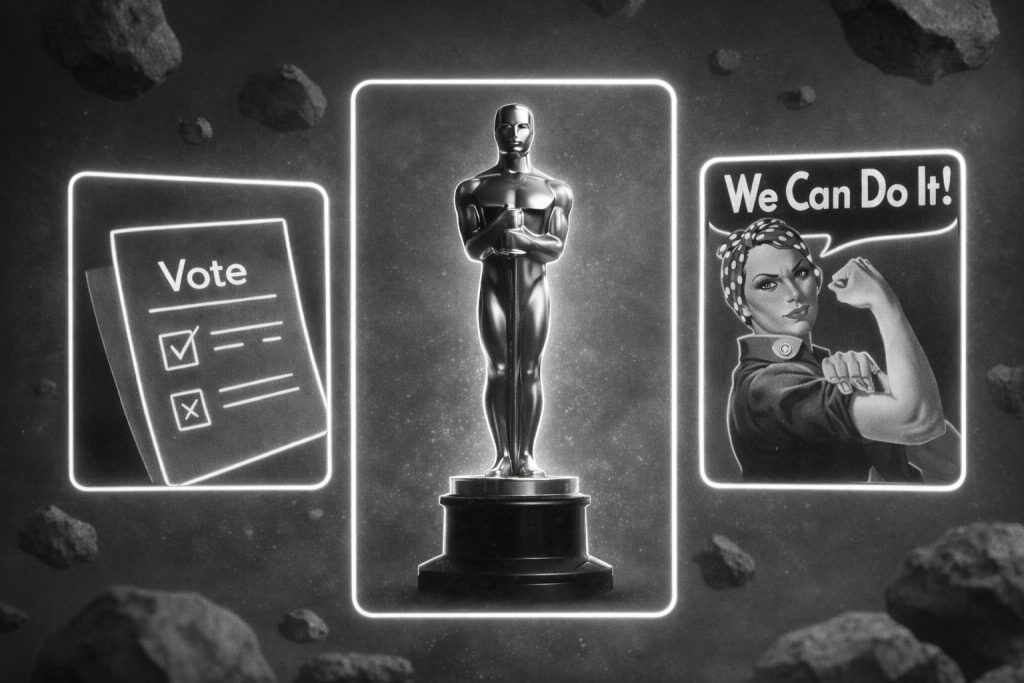
Every year around this time, as the Oscar winners are announced and everyone suddenly becomes a film critic for 48 hours, I’m reminded of something we don’t talk about enough (or talk about all the time, depending on what your job is): campaigns.
Campaigns in the broader sense shape elections, win awards, mobilize entire countries, and sometimes quietly rewrite history.
The Oscars may look like a celebration of art, but anyone who works even remotely close to media knows that the road to that stage is paved with strategy. Screenings, narratives, positioning, timing, whispers. Sometimes the best film wins. Sometimes the best campaign does.
Once you start looking for campaigns, you realize they’re everywhere: politics, Hollywood, wartime propaganda, modern social media. Different arenas, same underlying idea: attention is rarely accidental.
When Politics Became Marketing: The “I Like Ike” Campaign
In the 1952 U.S. presidential election, Dwight D. Eisenhower’s campaign introduced something that now feels obvious but was revolutionary at the time: branding.
The slogan “I Like Ike” was simple, rhythmic, and incredibly memorable. Instead of relying primarily on speeches and newspapers, the campaign embraced television advertising, which was still a relatively new medium. Animated ads, catchy messaging, and a clear emotional appeal helped transform a military general into a recognizable political brand.
What made the campaign powerful was the format. Politics was beginning to adopt the tools of consumer marketing. Candidates were no longer just public servants presenting policy positions and became products competing for attention.
In many ways, modern political campaigning still follows the blueprint established there.
What we can learn from it: Simplicity wins. A message people can remember and repeat is often more powerful than a complex argument. Campaigns work best when they translate big ideas into something short, emotional, and easy to share.
The Aggressive Oscar Campaign: Shakespeare in Love (1998)
One of the most famous examples came during the 1999 Academy Awards race, when Shakespeare in Love unexpectedly defeated Saving Private Ryan to win Best Picture.
The film’s distributor, Miramax, ran an extremely aggressive awards campaign led by Harvey Weinstein (for the sake of historical accuracy, Weinstein is mentioned here in reference to his role in the campaign. We strongly condemn and distance ourselves from his actions and the misconduct he has been accused and convicted of). The strategy involved extensive screenings for Academy voters, targeted trade advertising, and persistent messaging that positioned the film as both charming and culturally significant.
But the campaign didn’t stop at promotion. Industry reporting later revealed that Miramax also quietly pushed narratives questioning the emotional depth and historical importance of Saving Private Ryan. These whisper campaigns helped shift perception in subtle ways.
The result was one of the biggest upsets in Oscar history, and a moment that cemented the idea that awards season is very much almost only about campaigning.
What we can learn from it: Narrative framing matters. Campaigns are also about shaping the broader conversation around the competition. Campaigns often succeed when they control the narrative environment.
The Opposite Strategy: To Leslie (2022)
Fast forward more than two decades and Hollywood saw a very different kind of campaign.
The independent film To Leslie had almost no marketing budget. Yet Andrea Riseborough received a surprise Best Actress nomination after a grassroots push from actors and filmmakers who admired the performance.
Instead of expensive ads or studio events, the campaign relied on personal endorsements and social media posts, in other words, connections. Well-known figures such as Cate Blanchett and Edward Norton publicly praised the performance, encouraging Academy members to watch the film.
The strategy bypassed the traditional, costly awards machinery almost entirely. It was messy, controversial, and ultimately fascinating. For a moment, it demonstrated that influence could travel through networks of people rather than through massive marketing budgets.
What we can learn from it: Credibility travels through people. Sometimes a trusted voice recommending something can be more powerful than millions spent on advertising. Networks and authentic advocacy can create momentum that money alone cannot buy. When the right industry leader invests in your company or publicly uses your product, it signals credibility that no campaign budget can fully replicate.
A Campaign That Changed Society: Rosie the Riveter
Campaigns are not limited to politics or entertainment. Some of the most powerful ones shape society itself. During World War II, the United States government launched a propaganda campaign encouraging women to join the industrial workforce while men were fighting overseas.
The image that came to define this effort was Rosie the Riveter, famously depicted with the phrase “We Can Do It.” The campaign appeared across posters, films, magazines, and factory materials. Its goal was practical – filling labor shortages, but its cultural impact went far beyond wartime production. Millions of women entered industrial jobs for the first time, and the campaign helped shift public perceptions about women’s role in the workforce. It remains one of the most recognizable visual campaigns ever created.
What we can learn from it: Great campaigns create symbols. A single powerful image or phrase can represent a much larger movement. When you’re building your booth for RSA or even thinking about a LinkedIn cover photo for your employees, going the extra mile visually can add up, and it can actually be a lot of fun.
The Common Thread
From Eisenhower’s television ads to Miramax’s Oscar strategy to wartime propaganda posters, the details change, but the structure is surprisingly consistent. Campaigns are about shaping narrative. They decide what people pay attention to, how they interpret events, and which stories ultimately win.
Sometimes the campaign is loud and expensive. Sometimes it’s subtle and grassroots. But it’s almost always there. And once you start noticing campaigns, you begin to see them everywhere.