
How to Create “Buzz” without the holy trinity
Usually, the last thing we’d see a still-in-stealth startup do is speak with reporters. Not because they don’t want to (getting traction before launch can be extremely powerful) but because they don’t have anything to say that won’t hurt the launch story.
That story is usually made up of the holy trinity: a) money, b) investors, c) customers. That’s already a lot to give away, and some companies don’t have all three even when they do launch. And so, if you can’t share that, there’s usually nothing else to say – emphasis on usually.
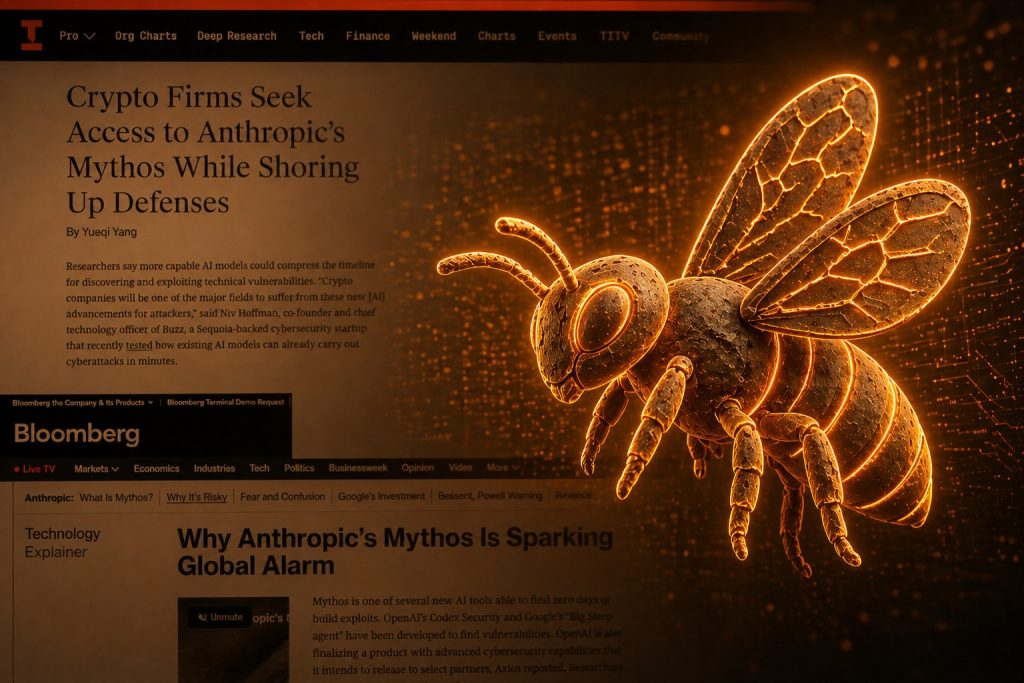
Buzz is now an 11-week-old startup (congrats guys!) that was recently featured on The Information (twice) and on Bloomberg. When we first spoke, they were 8 weeks in and had just built one of the most dangerous AI agents out there, strictly for research.
Their system, MOAK (Mother of All KEVs) takes a published vulnerability, recreates the environment, and generates a working exploit from scratch, without human input. Tested against 100+ Known Exploited Vulnerabilities, the ones actively used in real-world attacks, it produced working exploits in 98% of cases, often within an hour, sometimes within minutes. It’s the first system to do this at scale.
That’s a good story, no doubt. The team didn’t just put out a point of view saying AI is capable of this; they created new data and showed a working proof. They didn’t announce a thought, they proved a claim. That alone was enough to get traction from reporters, even without the holy trinity. But then the right timing made it great.
The launch of Anthropic’s Mythos had reporters scrambling to get perspectives beyond the company itself. Plenty of big players had takes. But Buzz had a much stronger hand, a clear opinion backed by actual data.
We quickly reframed the story: this isn’t a new startup that built something interesting. It’s a brand new startup proving Anthropic wrong. Mythos isn’t the scary new capability we should be worried about; that capability is already here, and Buzz proved it.
That’s a real contribution to a live debate. Reporters covering Mythos weren’t doing Buzz a favor by including them, they needed a source who could actually move the story forward, and Buzz was one of the few who could.
MOAK is a good example of something any company can do early: find a way to show (not tell) how real and how complex the problem they are solving is, no matter which field they operate in. New data that proves your point (or a build that demonstrates it) will always land harder than quoting Gartner.
If you take one thing from this: new findings are always worth your time. Great findings don’t just get you quoted, they become:
– a way to show investors how you think
– a signal to potential hires that you take on real problems
– proof for customers of the depth (and urgency) of what they’re dealing with